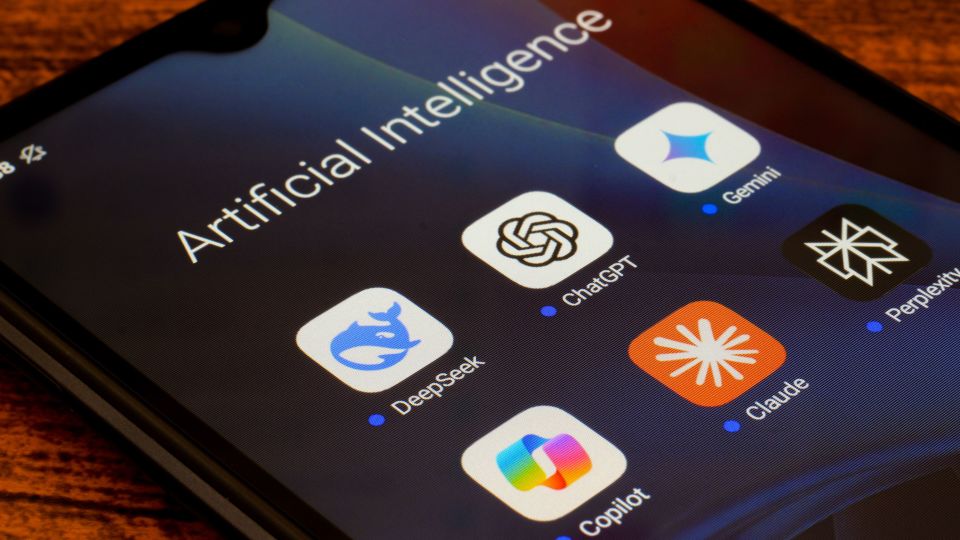
It wasn't a press conference; it was a compliance memo. But for the tech sector, this agreement feels like a mandate—a federal safety inspection applied to the literal brains of the enterprise. Suddenly, Google, Microsoft, and xAI aren't just selling chatbots; they're submitting their models to the Department of Commerce for scrutiny.
The immediate takeaway here isn't the safety protocols; it's the regulatory choke point. The Center for AI Standards and Innovation (CAISI) just put the brake pedal on the biggest AI plays money has ever seen, forcing voluntary submissions from the titans who were previously operating under a 'move fast and break things' ethos. These companies have agreed to letting their best toys—Gemini, Copilot, Grok—undergo rigorous evaluation for capability and security before they can touch the public. It's a massive deal, and frankly, it changes the risk calculus for any investor betting on this space.
The Regulatory Iron Fist
The sheer weight of these agreements—expanding on the initial pacts with OpenAI and Anthropic—shows the market that the era of pure Wild West tech growth is over. Nobody's saying it, but Washington wants oversight. This whole process functions like a highly sophisticated draft pick, where instead of selecting the best talent, the government is selecting which technology gets the clearance to play.
Market psychology, especially in high-stakes industries like AI, thrives on narrative freedom. When that freedom gets checked, the stock movement feels it instantly. The market doesn't care if a model is 'safe'; it cares if the regulatory hurdle is high or low.
And yet, the details are vague. CAISI noted they've done 40 prior tests, evaluating "state-of-the-art models that remain unreleased," but they didn't list the names. That's nothing short of vaporware.
Worth noting: The stakes are colossal.
Who's Getting the Safety Check
When we talk about the players, we're talking about market anchors. Google's Gemini is already deployed in military settings, which adds a layer of national security complexity to the testing. Microsoft's Copilot is already embedded in corporate infrastructure, creating a huge potential surface area for failure.
Then there's xAI and Grok. Grok, which has faced public mockery for generating unsettling images, is now under the same microscope. This kind of intense government vetting isn't a simple compliance tick; it's a deeply strategic play. What happens when you introduce national security concerns to general consumer chat tools? It’s a messy mix, kinda like trying to run a Formula 1 race on a gravel pit road.
Turns out, this mandate is also a geopolitical signaling exercise. It keeps the US at the center of global tech standards, preventing other major economies from carving out their own proprietary rulebooks.
The Policy Pivot: From Zero to Mandatory
The biggest narrative shift, and this is where the money moves, is the sudden regulatory pivot. The last White House was pretty clear: "No red tape." They wanted to build the fastest, least-regulated tech sector on Earth. Now, they're doing the exact opposite, demanding deep, technical cooperation.
But why the sudden change?
I might be wrong about this, but the timing feels deliberate. The increased military use of these tools and, crucially, the warnings from companies like Anthropic (who claimed they built a model—Mythos—too powerful for release), suggest that 'unregulated acceleration' simply got too frightening for the administration.
This shift makes the investment thesis trickier. It adds a layer of mandatory friction to growth. Investors need to factor in the cost and time associated with these mandated safety audits. It’s less about maximizing compute and more about proving adherence to a complex, evolving regulatory ledger.
I’ve seen plenty of tech hype cycle peaks—they usually look pretty effortless. This process? It looks bureaucratic. That disparity is the signal.